How Much Does Aircraft Detailing Cost in 2026?
How Much Does Aircraft Detailing Cost in 2026?
If you’ve searched “aircraft detailing cost,” you’ve probably seen one of two things:
- Vague answers with no numbers
- Wildly inflated estimates that don’t reflect routine cleaning
The truth sits somewhere in the middle.
Aircraft detailing — specifically routine exterior and interior cleaning — follows structured pricing ranges based primarily on aircraft size and condition. When performed consistently, maintenance cleaning remains predictable and reasonable.
Let’s break down what aircraft owners are actually paying in 2026.
The Real Price Range for Aircraft Cleaning
For routine maintenance cleaning (not polishing or paint correction), most aircraft fall within the following general brackets:
- Smaller piston aircraft typically range between $800 and $1,300 for exterior cleaning.
- Very light jets and small turboprops usually fall between $1,100 and $1,600.
- Mid-size jets commonly range from $1,500 to $2,200.
- Super mid-size aircraft often fall between $1,800 and $2,500.
- Heavy jets generally range from $2,000 to $3,500, depending on scope and condition.
Interior cleaning is usually separate and scales with cabin size. Most interiors range:
- $500 to $900 for smaller aircraft
- $900 to $1,600 for mid-size jets
- $1,500 to $3,000 for large cabin and heavy aircraft
Those numbers reflect routine cleaning — not restoration.
Why Aircraft Size Drives Pricing
Surface area equals labor.
A single-engine piston aircraft can be cleaned with less manpower and fewer hours than a heavy jet. As aircraft length and cabin complexity increase, so does the time required.
Heavy jets require:
- Larger crews
- More setup time
- More belly cleaning
- More interior square footage
But here’s what’s important:
Routine maintenance cleaning — even for heavy jets — remains in the low-thousands range when performed consistently.
It does not jump into five-figure territory unless restoration work is involved.
The Biggest Factor That Changes Cost: Maintenance Frequency
Two identical aircraft can price very differently.
An aircraft cleaned every 3–6 months usually falls toward the lower end of its category range.
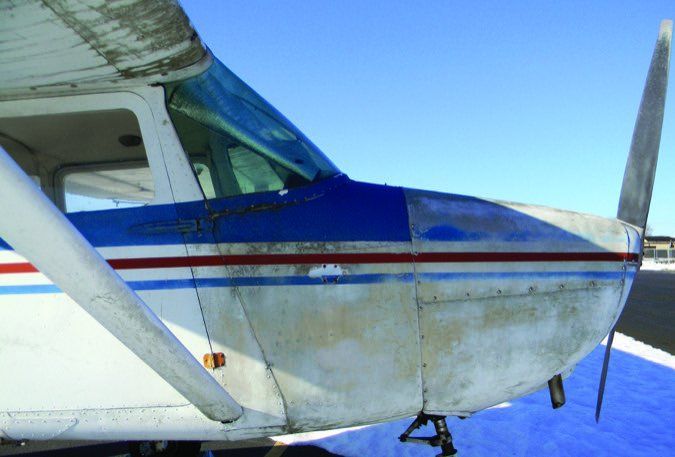
An aircraft that hasn’t been cleaned in over a year may fall toward the higher end due to:
- Belly buildup
- Exhaust staining
- Interior contamination
- Carpet extraction needs
Maintenance protects both appearance and pricing stability.
Waiting too long is what increases cost.
What’s Actually Included in Routine Aircraft Detailing?
When most owners search for “aircraft detailing,” they mean maintenance cleaning.
Exterior maintenance typically includes:
- Full aircraft wash
- Bug removal
- Belly cleaning
- Surface wipe-down
- Basic protection application
Interior cleaning usually includes:
- Vacuuming
- Leather wipe-down and conditioning
- Surface sanitation
- Galley cleaning
- Lavatory cleaning
These services preserve presentation and prevent buildup.
What Is NOT Included in These Prices
This is where confusion often happens.
The ranges listed above do not include:
- Multi-stage polishing
- Oxidation removal
- Paint correction
- Brightwork restoration
- Ceramic coatings
Those services require significantly more labor and are quoted separately.
Routine cleaning keeps you out of restoration territory.
How Often Should Aircraft Be Detailed?
Most aircraft benefit from cleaning:
- Every 3–6 months for charter or high-use aircraft
- Every 6–12 months for privately operated aircraft
- More frequently in coastal or high-humidity environments
Regular cleaning prevents oxidation buildup, protects materials, and keeps resale value strong.
So What Should You Budget?
If you’re budgeting for aircraft detailing in 2026, most routine cleaning services fall between:
$800 and $3,500 depending on aircraft category and condition.
Anything dramatically above that for standard maintenance cleaning should come with a clear explanation.
Anything dramatically below that should raise questions about scope and experience.
Final Thoughts
Aircraft detailing cost isn’t mysterious. It scales with aircraft size, condition, and consistency.
For most owners, routine cleaning remains structured, predictable, and far more affordable than delayed restoration.
The smartest move isn’t chasing the lowest number — it’s staying on a maintenance schedule that keeps your aircraft in the lower end of its pricing range year after year.
Aircraft Detailing Insights