How Often Should You Detail Your Aircraft in Florida's Climate?

site-9sBsOw • February 28, 2026

Owning an aircraft in Florida comes with unique environmental challenges. Between intense UV exposure, salt air near coastal airports, humidity, and frequent rain, aircraft exteriors and interiors deteriorate faster than many owners realize.

If your aircraft is based in North or Central Florida, regular detailing is not cosmetic — it's preventative maintenance.

Here's what you need to know.


Why Florida Is Hard on Aircraft

Florida presents several risk factors that accelerate wear:

1. UV Exposure

Constant sun exposure causes:

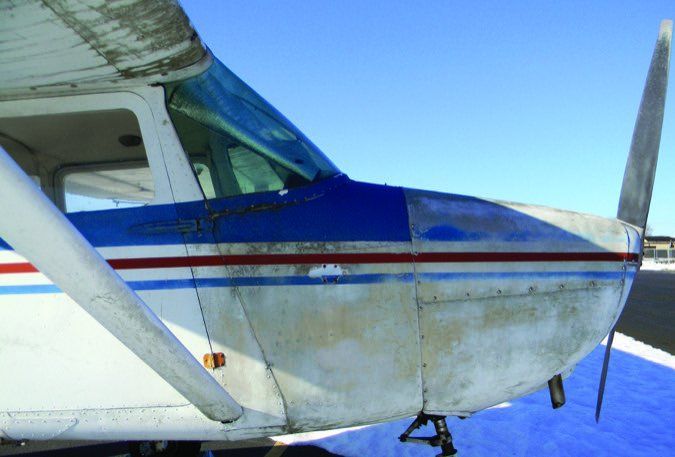
  • Paint oxidation
  • Clear coat failure
  • Fading and chalking
  • Plastic window hazing

Aircraft parked outdoors are especially vulnerable.

2. Salt Air & Coastal Corrosion

Airports near the coast — including Jacksonville, St. Augustine, Daytona Beach, and Savannah — expose aircraft to salt-laden air. Even hangered aircraft accumulate corrosive residue over time.

Unchecked corrosion can impact:

  • Leading edges
  • Fasteners
  • Landing gear components
  • Control surfaces

3. High Humidity

Moisture buildup inside cabins can lead to:

  • Interior staining
  • Mold development
  • Material breakdown

Florida humidity does not take breaks.


Recommended Aircraft Detailing Frequency

Exterior Wash — Every 4–6 Weeks

This removes:

  • Salt residue
  • Bug acids
  • Runway grime
  • UV-damaging contaminants

Aircraft stored outdoors may require more frequent service.


Paint Correction & Oxidation Removal — Once Per Year (Minimum)

If oxidation is visible, correction should be performed before clear coat damage becomes permanent.


Ceramic Coating Protection — Every 1–2 Years

Ceramic coatings:

  • Reduce oxidation
  • Improve ease of cleaning
  • Add UV resistance
  • Protect against environmental buildup

For Florida-based aircraft, coatings are highly recommended.


Particularly important for:

  • Corporate aircraft
  • Charter operations
  • High-traffic interiors

Humidity control and material protection extend cabin lifespan significantly.


Signs Your Aircraft Needs Detailing Now

  • Chalky or dull paint
  • Streaking along rivet lines
  • Heavy bug buildup on leading edges
  • Window hazing
  • Interior odors
  • Visible oxidation patches

Waiting too long increases restoration costs.


Preventative Detailing vs. Restoration

Preventative maintenance is always less expensive than correction.

Regular detailing:

  • Protects paint
  • Maintains resale value
  • Reduces corrosion risk
  • Improves passenger experience

Once oxidation penetrates deeply, correction becomes more labor-intensive.


Aircraft Detailing at Florida Airports

Mobile aircraft detailing eliminates the need to relocate your aircraft.

Professional on-site services are available at:

  • Jacksonville Executive (JAXEX)
  • Northeast Florida Regional (UST)
  • Gainesville Regional (GNV)
  • Ocala International (OCF)
  • Orlando Sanford (SFB)
  • Daytona Beach (DAB)
  • Orlando International (MCO)

Scheduling around hangars and FBO operations ensures minimal disruption.


Final Thoughts

Florida's environment accelerates aircraft wear. A consistent detailing schedule is essential for protecting both appearance and structural integrity.

If your aircraft is based in North or Central Florida, preventative detailing should be part of your maintenance plan — not an afterthought.


Need aircraft detailing at your airport?

Request a professional on-site quote and protect your aircraft from Florida's harsh climate.

👉 Request Aircraft Detailing Service

Aircraft Detailing Insights

By site-9sBsOw March 1, 2026
Aircraft Oxidation Removal in Florida | Prevention & Correction Guide
By site-9sBsOw February 16, 2026
How Much Does Aircraft Detailing Cost in 2026? If you’ve searched “aircraft detailing cost,” you’ve probably seen one of two things: Vague answers with no numbers Wildly inflated estimates that don’t reflect routine cleaning The truth sits somewhere in the middle. Aircraft detailing — specifically routine exterior and interior cleaning — follows structured pricing ranges based primarily on aircraft size and condition. When performed consistently, maintenance cleaning remains predictable and reasonable. Let’s break down what aircraft owners are actually paying in 2026.  The Real Price Range for Aircraft Cleaning For routine maintenance cleaning (not polishing or paint correction), most aircraft fall within the following general brackets: Smaller piston aircraft typically range between $800 and $1,300 for exterior cleaning. Very light jets and small turboprops usually fall between $1,100 and $1,600 . Mid-size jets commonly range from $1,500 to $2,200 . Super mid-size aircraft often fall between $1,800 and $2,500 . Heavy jets generally range from $2,000 to $3,500 , depending on scope and condition. Interior cleaning is usually separate and scales with cabin size. Most interiors range: $500 to $900 for smaller aircraft $900 to $1,600 for mid-size jets $1,500 to $3,000 for large cabin and heavy aircraft Those numbers reflect routine cleaning — not restoration. Why Aircraft Size Drives Pricing Surface area equals labor. A single-engine piston aircraft can be cleaned with less manpower and fewer hours than a heavy jet. As aircraft length and cabin complexity increase, so does the time required. Heavy jets require: Larger crews More setup time More belly cleaning More interior square footage But here’s what’s important: Routine maintenance cleaning — even for heavy jets — remains in the low-thousands range when performed consistently. It does not jump into five-figure territory unless restoration work is involved. The Biggest Factor That Changes Cost: Maintenance Frequency Two identical aircraft can price very differently. An aircraft cleaned every 3–6 months usually falls toward the lower end of its category range. An aircraft that hasn’t been cleaned in over a year may fall toward the higher end due to: Belly buildup Exhaust staining Interior contamination Carpet extraction needs Maintenance protects both appearance and pricing stability. Waiting too long is what increases cost. What’s Actually Included in Routine Aircraft Detailing? When most owners search for “aircraft detailing,” they mean maintenance cleaning. Exterior maintenance typically includes: Full aircraft wash Bug removal Belly cleaning Surface wipe-down Basic protection application Interior cleaning usually includes: Vacuuming Leather wipe-down and conditioning Surface sanitation Galley cleaning Lavatory cleaning These services preserve presentation and prevent buildup. What Is NOT Included in These Prices This is where confusion often happens. The ranges listed above do not include: Multi-stage polishing Oxidation removal Paint correction Brightwork restoration Ceramic coatings Those services require significantly more labor and are quoted separately. Routine cleaning keeps you out of restoration territory. How Often Should Aircraft Be Detailed? Most aircraft benefit from cleaning: Every 3–6 months for charter or high-use aircraft Every 6–12 months for privately operated aircraft More frequently in coastal or high-humidity environments Regular cleaning prevents oxidation buildup, protects materials, and keeps resale value strong. So What Should You Budget? If you’re budgeting for aircraft detailing in 2026, most routine cleaning services fall between: $800 and $3,500 depending on aircraft category and condition. Anything dramatically above that for standard maintenance cleaning should come with a clear explanation. Anything dramatically below that should raise questions about scope and experience. Final Thoughts Aircraft detailing cost isn’t mysterious. It scales with aircraft size, condition, and consistency. For most owners, routine cleaning remains structured, predictable, and far more affordable than delayed restoration. The smartest move isn’t chasing the lowest number — it’s staying on a maintenance schedule that keeps your aircraft in the lower end of its pricing range year after year.